In our efforts to try new things we picked up a couple of chom chom fruit and some persimmons. We’ve never heard of a chom chom, much less tasted one. The Chom Chom comes from the […]
One Big Blessed Mess!
Children are a heritage from the Lord … blessed is the man who fills his quiver with them!
Pineapple Experiment
Today I , Donald Ball, will be posting about my pineapple experiment.

Dad’s comment: Part of our Blessed Mess includes educating the boys. We try to keep things interesting by doing experiments, breaking stuff and driving mom crazy! Okay, so that last one just sort of happens … the point is, we want to keep things fun while we learn. Making Donald blog about his experiment is part of the fun!
Objective: Evaluate the robustness of enzymes naturally occurring in pineapple and their effect on the gelling process of jello.
Procedure: Fresh pineapple contains natural enzymes. Three cases were used to observe the robustness of these enzymes on their effect on the gelling process. Jello with fresh pineapple, boiled pineapple, and no pineapple.
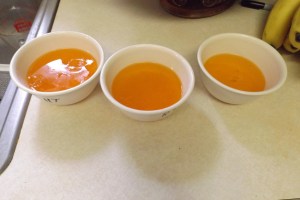
Each bowl of jello was mixed according to directions, pineapple added (for two cases) and all three bowls were refrigerated the same amount of time and were all in a row so that they were the same temperature.
Hypothesis: Enzymes can be destroyed under prolonged amounts of heat. All of the jello, except the jello with the non-boiled pineapple juice (with live enzymes), will gel.
Results:
Bowl 1, non-boiled pineapple, did not gel at all.
Bow 2, boiled pineapple, did gel.
Bowl 3, no pineapple, did gel.
Dad’s note: I know you all want to know which verb is correct, gel or jell? Check this link out. This is what Ahni and I did during the experiment!

Conclusion:
The enzymes in a fresh pineapple counter the gelling process of the jello, even when refrigerated. I did not try non-refrigerated jello.
Boiling the pineapple killed the enzymes so that the jello could gel. It tasted good, according to my little brothers.
I learned that canned pineapple must have some kind of enzyme-killing agent. Maybe it has been boiled or has had some preservative added. I also discovered that enzymes can make big changes even though they are pretty small.
My hypothesis was correct all but the non-boiled pineapple jello gelled!
Supplies:
- Part of a fresh pineapple (No cheating with canned it won’t work)
- A blender or cheese grater
- Three bowls not too big or too small
- A small box of jello (it doesn’t matter what type but, something that goes with pineapple is suggested)
- Two pans one small and one that you would be able to create jello in
- Stove ( gas or the surface kind)
- A Refrigerator
- And two separate tablespoons
- One cup measurer
Procedure:
This is by the book
- Cut open the pineapple and then skin it, Then use the cheese grater and/or blender to get about one cup of pulpy pineapple ( make sure you have no skin
- Prepare the Jello as it says to on the box
- As you start to boil the water label the bowls room temperature pineapple juice and hot pineapple juice
- Put one tablespoon of pineapple pulp mixture into the room temperature bowl
- Then put the rest of the pineapple pulp juice into a pot (you will heat this in a minute not right now)
- when you are up to the point where you stick the Jello into the fridge put it into the three separate bowls but do not put them in the fridge
- Take the pot of pulpy pineapple juice and put the stove on at least medium and heat it up for 5 minutes make sure to constantly stir it
- After you finish heating it put a tablespoon of the heated pineapple juice pulp into the bowl with the hot pineapple juice label Then put the bowls into the fridge for however long it takes to cool the jello
- Examine the three jello bowls: the one with only jello the one with heated pineapple juice and last the one with room temperature pineapple
- Clean up your mess Then post your results (you can eat the jello after this experiment)
Fix it don’t Forget it!
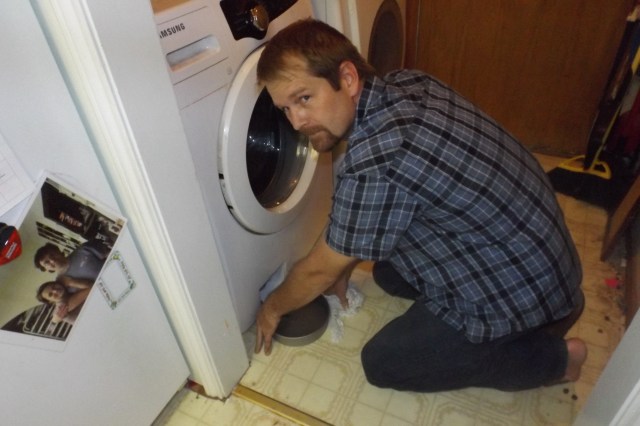
Maybe it is just the tinkerer within me, but my general philosophy in life is to fix something instead of throwing it away. Last month our dryer went out. Turns out the heating element failed. […]
Fun without the Sun!
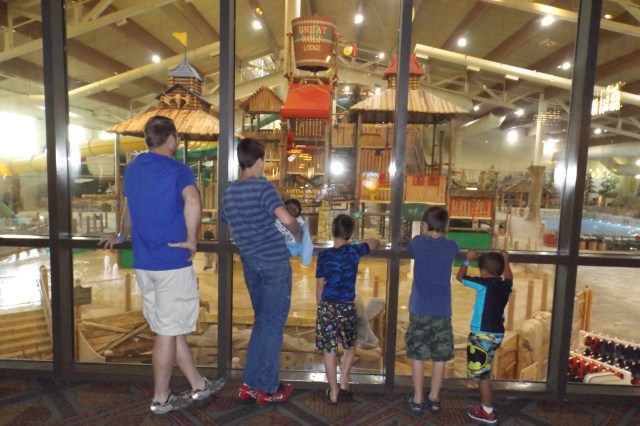
A pastor’s family doesn’t get out much. School is Monday through Friday and Dad preaches on Sunday. This is partly why we believe Homeschooling is awesome! I no longer have to take my children out […]
Slippery as a greased pig … literally!
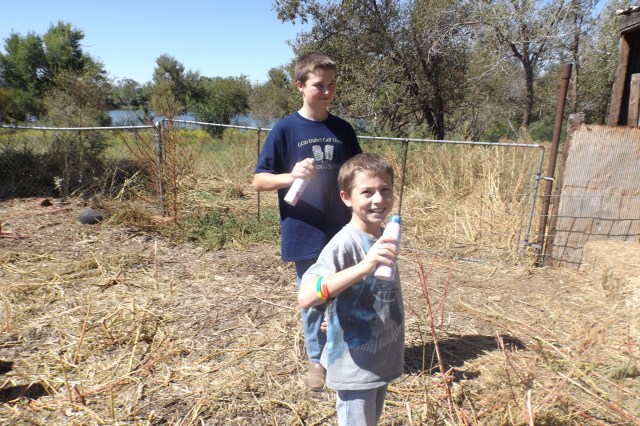
So, we got the boys a couple of pigs to raise for 4-H. Sounded like a good idea at the time. But then we found out we would need to put suntan lotion on the […]
Television is the Devil!
Of course television is not really the devil. I’m using hyperbole to make a point. Too much television can cause problems. So yesterday we started a new thing: less television! I’m not sure the kids […]
Grandpa Tom and Ms. Elizabeth!
Two very special people came to visit us this weekend, Grandpa Tom and Ms. Elizabeth. We met them while we serving in Irving, TX. Today they are like family. That makes them part of our blessed […]
The Bucket List
Ok, so this isn’t the typical do-before-we-die bucket list. Instead, we compiled a list of new or different things to try as a family. Xander is eight weeks old so he may not be able to […]

“Make-me-tallers” … Stilts!
Stilts, because they make us taller. Steven headed up this project. We sent the boys outside to make stilts together. We had a majority of them in favor. In fact only one, Marcus wasn’t on […]
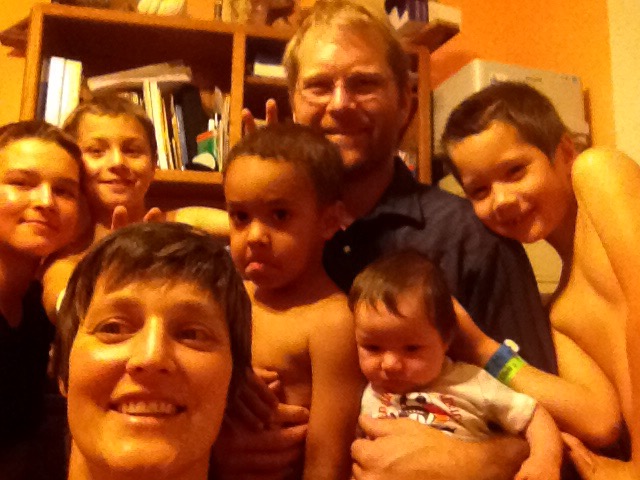
Getting started can be messy.
As we embark on creating this webpage and blog, life got a little messy. We gathered the boys after working long and hard finding the best way to start our own webpage. In my mind […]
 One Big Blessed Mess!